
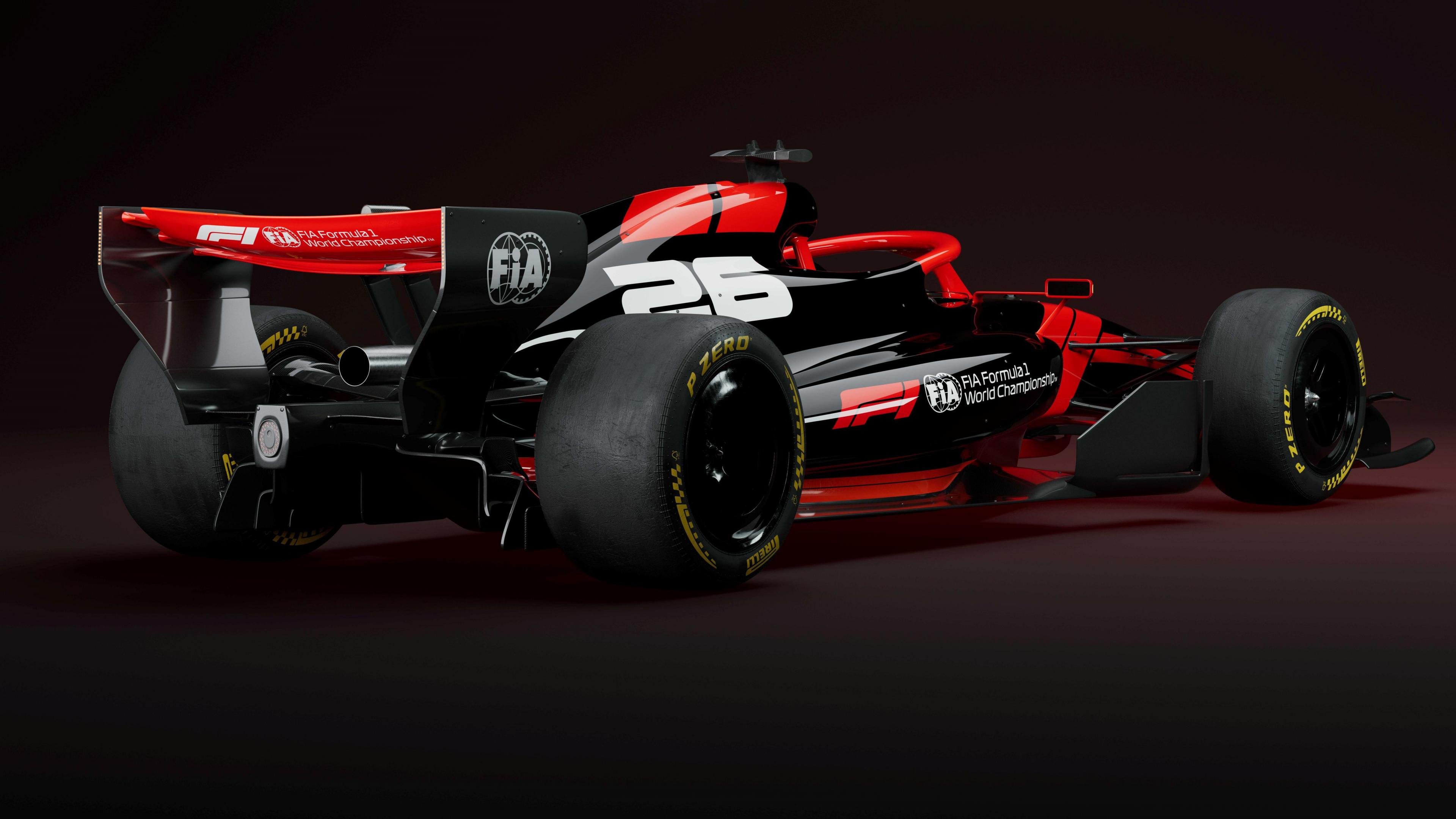
The 2026 Formula 1 cars are set to be smaller, nimbler and more environmentally friendly compared to current models.
The world of Formula 1 has revealed the simplified language that will be used to describe the technical complexities of its revolutionary 2026 regulations.
The sport is introducing what is considered the most significant technical shift in its illustrious history starting in 2026, featuring new chassis and engine rules and the required adoption of eco-friendly fuels.
The new power units, which maintain the 1.6-litre V6 turbo hybrid, boast a substantially higher energy storage, necessitating major innovations in the cars' aerodynamics.
Throughout races, competitors will carefully oversee ERS energy – potentially on flying laps – to secure the optimal lap time.
Wide-ranging research were undertaken with a diverse audience, including dedicated enthusiasts and casual observers, to understand which terminology would make things clearer of the central aspects of the new regulations.
The stated goal was to render a set of intricate new areas of the competition as accessible as possible for the broadest viewership.
Consequently, initial designations for certain devices – such as "alphabetical mode names" for the adjustable aero – have been discarded in preference for straightforward terms that succinctly convey the actual function of the innovation.
Key Technical Innovations
According to rule-makers that drivers will have greater control to make decisions regarding power usage, energy recovery, and conservation.
The upcoming changes feature a set of functions that will be shown on TV overlays to aid the audience's understanding of the race battle.
- Passing Mode: This supersedes the existing Drag Reduction System. It provides a short boost of battery power deployable when a car is close behind the leading car to facilitate an overtaking maneuver.
- Power Mode: This is a manual power boost from the hybrid system that can be utilized during offensive or defensive moves. It delivers the pilot full engine and battery energy at the activation of a control.
Both of these key functions will have to be used with calculation, as the overall battery capacity is capped.
- Active Aero: Both the nose and rear wings change configuration – spreading on the high-speed sections for minimal air resistance and top speed, and angling down in the bends for optimal cornering performance.
- Battery Recharge: The system can harvest energy with power recovered from braking, or during coasting at the conclusion of a straight or in corners where only reduced throttle is applied.
What's Changing on the Cars?
The 2026 cars will be smaller and lighter than this year, with a wheelbase reduced by 200mm to 3,400mm, width reduced by 100mm – down to 1,900mm – and the minimum weight lowered by 30kg.
Total aerodynamic grip is anticipated to be reduced by approximately fifteen to thirty percent, although squads will naturally regain performance as they develop their cars.
Aerodynamic drag has been reduced by 40%. The cars will feature active aerodynamics – front and rear wings will move on the straights to improve speed and boost top speed and return into place for optimal grip in corners.
Pirelli tyres will continue to use the current rim size, but the actual tyres will be reduced in width, by 25mm at the front and 30 millimetres on the rear axle.
2026 Engine Regulations
The revised hybrid units will have an roughly half-and-half distribution in horsepower generated by the internal combustion engine and the electrical system, a rise from about one-fifth electric power this year.
The hybrid system is made less complex through the removal of the complex turbo energy recovery device, the complicated and costly unit that generated electricity from the turbo.
All vehicles will be mandated to operate on fully sustainable fuel, produced using plant-based materials or synthetic production methods.

